
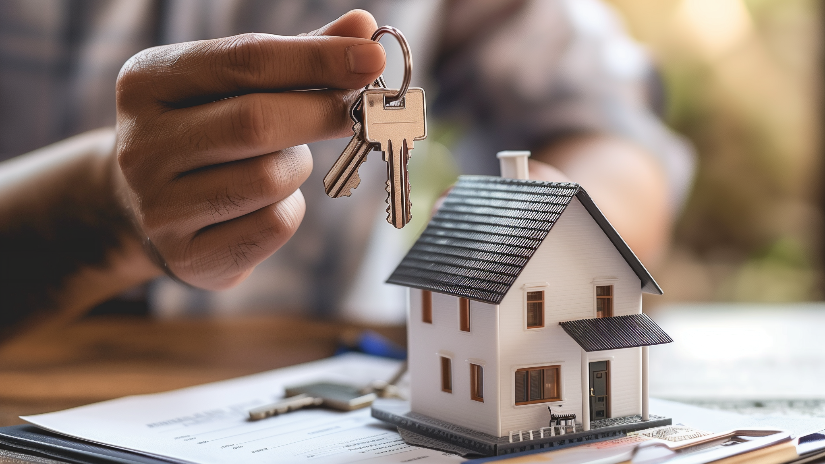


HOW MUCH DOES IT COST TO BUILD A HOUSE IN SPAIN IN 2025? COMPLETE COST BREAKDOWN
Building a house from scratch is an exciting but costly process, and understanding all the expenses involved is essential before starting. From land acquisition to construction permits, materials, and labor, the costs can vary significantly based on location, house size, and complexity.
This guide provides a detailed breakdown of the costs associated with building a home in Spain, helping you estimate your budget accurately.
Purchasing the Land: A Significant Expense
The cost of purchasing land alone can account for 40% to 50% of the total budget. The price depends on location, availability, and market demand.
Key Steps Before Buying Land:
✔ Research the market to find available plots in your preferred area.
✔ Visit the local council to ensure construction is allowed and verify the number of floors permitted.
✔ Request a land registry certificate to confirm that the plot has no legal encumbrances.
✔ Ensure access to urban services and paved public roads.
Additional Costs to Consider:
- Property deed and registry fees
- Notary fees
- Property transfer tax
Construction Budget
Once you own the land, you need to calculate material and labor costs. These can vary depending on factors like house size, quality of materials, and location.
How Costs Are Estimated
When professionals prepare a construction budget, they use a cost per square meter calculation, adding necessary permits and taxes.
Site Preparation
Before starting construction, the land must be prepared, requiring various specialists:
- Topographical study (€250–€400) – Defines the plot’s exact shape and dimensions.
- Geotechnical study (€650–€800) – Analyzes soil composition for foundation safety.
- Architect fees (4%–6% of the budget) – Covers building plans and project approval.
Necessary Building Licenses
Before construction begins, you must apply for a building permit from the local council. Additional required services include:
- Temporary utility connections (electricity and water).
- Project execution supervision by an architect.
- Technical architect oversight (fees: 2%–3% of the budget, plus VAT).
Construction Execution Budget
This stage accounts for nearly 40% of the total cost and includes:
🏗 Foundation and structure
🏠 Walls, flooring, and roofing
🪟 Windows and insulation
🚿 Plumbing and electrical systems
Cost Per Square Meter of Housing
The construction cost per square meter generally ranges from €700 to €1,000. Hiring a professional construction company ensures the project is efficiently managed.
💰 The contract price is usually 19% higher than the initial budget, covering general expenses and builder profits.
📌 Tip: To avoid unexpected cost overruns, sign a fixed-price contract and include penalty clauses for delays.
Licenses and Additional Costs
Before Construction Begins:
✅ Apply for a building license from the local council.
✅ Prepare a safety and health plan.
✅ Notify authorities about the start of construction.
✅ Take out civil liability insurance and ten-year damage insurance.
✅ Pay a waste management deposit (refundable after proper disposal proof).
After Construction is Completed:
🏡 Obtain a completion certificate from a technical architect.
📜 Apply for an occupancy license to legally reside in the house.
🏠 Secure a habitability certificate.
💰 Pay construction and works taxes.
📝 Register the property in the Land Registry (notary fees: ~0.5% of the property value).
🔌 Connect water, electricity, gas, and telecommunications.
Example of Building a House
Let’s consider an example of building a 100 m² house on inherited land:
💰 Material execution budget – €70,000
🏗 Construction contract – €98,000
📑 Land study – €1,200
🖊 Architect fees – €3,000
🔎 Project supervision – €1,900
📄 Taxes and fees – €6,200
Total Estimated Cost: €216,740
(Excluding property registration and furnishing.)
Self-Build Mortgage: How to Finance Construction
Since a traditional mortgage requires a completed home as collateral, many opt for a self-build mortgage, which covers up to 100% of construction costs but cannot be used to buy land.
How It Works:
✔ Funds are released in stages as construction progresses.
✔ During the build phase, payments cover interest only.
✔ Once completed, repayment follows a standard mortgage structure.
Is It Better to Build or Buy a House?
✔ Building allows for customization, ensuring a unique design suited to personal needs.
✔ Construction is not always cheaper than buying an existing house, especially if land costs are high.
✔ Custom-built homes tend to appreciate in value more than mass-produced developments.
Frequently Asked Questions (FAQs)
1. How long does it usually take to build a medium-sized house?
A medium-sized house typically takes between six months and one year, depending on:
- Project complexity
- Weather conditions
- Availability of materials
2. How does the type of land affect construction costs?
The land’s topography and soil composition impact costs, especially if:
- Excavation work is required.
- The foundation needs reinforcement due to weak soil.
3. What should a construction contract include?
✔ Total project cost
✔ Work schedule with clear deadlines
✔ Payment deadlines and conditions
✔ Penalties for delays
✔ Quality specifications for materials
Latest News
How to Draft a Purchase Agreement: Essential Elements and Tips

NPV vs IRR: Key Differences and How to Use Them in Investment Decisions

IRPF Withholding on Social Security Pensions in Spain: What You Need to Know

How to Update Your Address with Social Security in Spain: A Simple Guide